2. Full-size spare wheel: Some car companies say you don’t need them. Try telling the thousands of Australians who get punctures. The real reason is to save weight — all of 20kg. A spare costs about $400, another saving for the makers.
3. Toolkit: The toolkit is being replaced by a roadside assistance phone number in the owner’s manual (it’s in the glovebox).
4. Cassette deck: Ah, the days of re-spooling rice paper-thin brown tape after the cassette deck spat the dummy. Tell the kids today and they won’t believe you.
5. Clear plastic wrap: To show they cared, makers would wrap the seats and door trims in clear plastic. Many people kept it intact, making summertime a seriously frying experience.
6. Metal dashboards: Painted metal was all the rage in car cabins up into the 1980s. Yes, it hurt when you hit your head on it but, given early crash standards, that was the least of your problems.
7. Choke lever: This was a dash-mounted pull cable that was connected to the carburettor and restricted air to increase fuel in the carbie. It was mandatory to pull the choke out for cold starts. The trick was to make sure you remembered to push the choke back or the engine would run too rich.
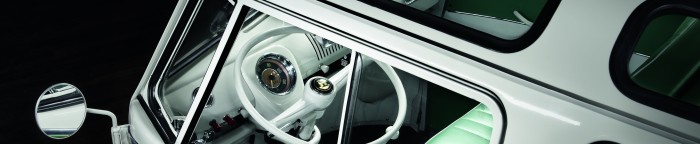
8. Front quarter vents: Before aircon, little metal-framed triangles of glass at the leading edge of the front windows were used to divert air into the cabin. Airflow could be channelled to clear the cabin of cigarette smoke.
9. Chrome bumpers: Unbelievable but true — metal was used to protect the front and back of the car. The bolt-on bumpers were chromed to make them look pretty and protect the metal beneath.
10. Cross-ply tyres: The inner casing of rubber-coated nylon cords was laid in alternating diagonals of about 30 degrees from bead to bead then topped with more rubber to form the tread. Great in a straight line but cornering squashed the tread and reduced traction.
 specialprojects